 EN
EN

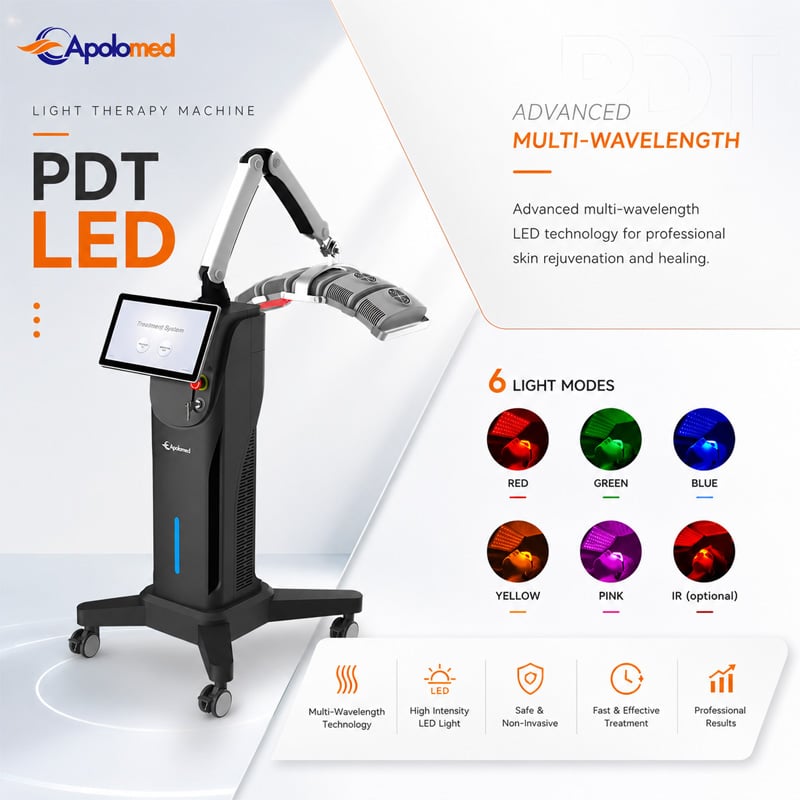
1. Field Realities: Observations from Advanced Aesthetic Clinic Operations
Managing a fast-growing medical aesthetics clinic last year taught me that dealing with severe skincare concerns requires moving away from outdated topical options toward advanced light-emitting systems.
Our clinical team regularly met with younger patients who felt completely discouraged by constant breakouts and redness. This showed me that answering whether PDT LED light therapy can reduce inflammatory acne is a vital step for modern skincare practices.
-
The Core Issue: Putting clients through aggressive chemical peeling routines without evaluating their specific cellular skin barriers usually triggers painful surface irritation and extends recovery times significantly.
-
The Turnaround: Once we upgraded our clinical layout with high-intensity medical diode setups and started tracking real-time photo-activation intervals, our clearance rates for deep breakouts improved dramatically.
Moving toward targeted photodynamic care completely changes how practitioners handle chronic skin problems. To achieve long-term clear skin results without systemic side effects, evaluating photodynamic light protocols must be a top priority for modern clinical directors.
2. Biological Physics and Cellular Dynamics of Photodynamic Skincare
Diving deep into the industrial physics and cellular biology of high-intensity narrow-spectrum light therapy reveals why specific wavelengths work effectively against deep epidermal blockages.
Wavelength Interactivity and Bacterial Targeting
To accurately analyze how PDT LED light therapy reduces inflammatory acne under real clinical conditions, dermatological specialists must evaluate how blue and red light interact with specific target compounds:
-
Blue Light (~415nm): This wavelength targets specific porphyrins within acne-causing bacteria (Cutibacterium acnes). The interaction creates a natural photodynamic reaction that eliminates the bacteria without damaging surrounding healthy tissue blocks.
-
Red Light (~630nm): This deep-penetrating wavelength targets cellular mitochondria to boost local microcirculation, accelerate tissue repair, and calm overactive sebaceous glands.
Manufacturing these high-performance optical arrays requires maintaining strict nanometer wavelength accuracy so that the energy penetrates exactly to the target dermal layer without losing power. By measuring these precise optical energy variables beforehand, clinic owners protect their clients from uneven treatment results.
3. Clinical Standardization and Global Medical Performance Guidelines
According to formal clinical evaluation manuals published by international dermatological networks, establishing a structured phototherapy routine is a core requirement for earning modern aesthetic certifications.
Compliance Note: Using unverified, low-powered aesthetic lamps in busy treatment rooms shortens the operational success of your skincare services. Researching the exact specifications of certified LED units remains an indispensable phase during early equipment procurement.
Official medical manufacturing guides explicitly state that device engineering groups must utilize medical-grade surface-mounted diodes. This ensures optimal stability across years of continuous clinic operations.
Selecting fully certified modular light panels drastically reduces energy waste during daily operations while keeping your treatment room completely compliant with international safety mandates. Adhering to these strict global manufacturing benchmarks allows medical directors to guarantee total long-term operational transparency.
4. Systematic Operation Steps for High-Intensity Light Panels
Executing a highly reliable and completely safe phototherapy treatment routine involves following a clear sequence of practical clinical steps to preserve equipment functionality over long lifecycles:
-
Pre-Treatment Inspection: Clinical operators should always perform a thorough visual cleanliness check on the adjustable multi-panel matrix before positioning the heavy diode array over the client's face. This allows them to verify the optical output without introducing dust particles into the active cooling fan system.
-
Structural Positioning: When arranging personalized combination treatments or setting up tailored sequential blue and red light illumination programs, adjusting the underlying articulated suspension arm ensures the entire panel grid remains perfectly centered without putting uneven weight stress on individual frame joints.
-
Digital Calibration Logging: Securing your device calibration logs with updated digital tracking charts stabilizes future system maintenance cycles, allowing your clinic team to manage fast service expansions smoothly.
Understanding these small practical application details ensures that technicians construct robust treatment setups that handle busy daily client schedules easily.
5. Advanced Aesthetic Solutions for Demanding Global Medical Centers
Achieving an exceptionally quiet, perfectly calibrated, and thoroughly optimized high-speed clinical treatment layout ultimately depends on sourcing your optical hardware from a trusted industrial pioneer focused on strict quality metrics.
This is exactly where our advanced aesthetic systems at Apolo Laser deliver immense value. We provide:
-
Top-tier multi-panel photodynamic setups
-
High-density medical diode arrays
-
Specialized combination light assemblies engineered to help you instantly leverage targeted light therapy while upgrading your technical facility.
When global clinic managers deploy our premium aesthetic systems, they experience highly consistent energy delivery, superior heat dissipation control, and true wavelength accuracy that allows for effortless room updates in any modern medical center worldwide. Our comprehensive commercial portfolio features precision-molded optical components, user-friendly touchscreen interfaces, and advanced intelligent cooling systems, making it simpler than ever to maintain treatment integrity under changing business demands. Relying on our specialized production capabilities ensures your equipment upgrades pass every strict medical audit with absolute perfection.
Table of Contents
- 1. Field Realities: Observations from Advanced Aesthetic Clinic Operations
- 2. Biological Physics and Cellular Dynamics of Photodynamic Skincare
- 3. Clinical Standardization and Global Medical Performance Guidelines
- 4. Systematic Operation Steps for High-Intensity Light Panels
- 5. Advanced Aesthetic Solutions for Demanding Global Medical Centers