 EN

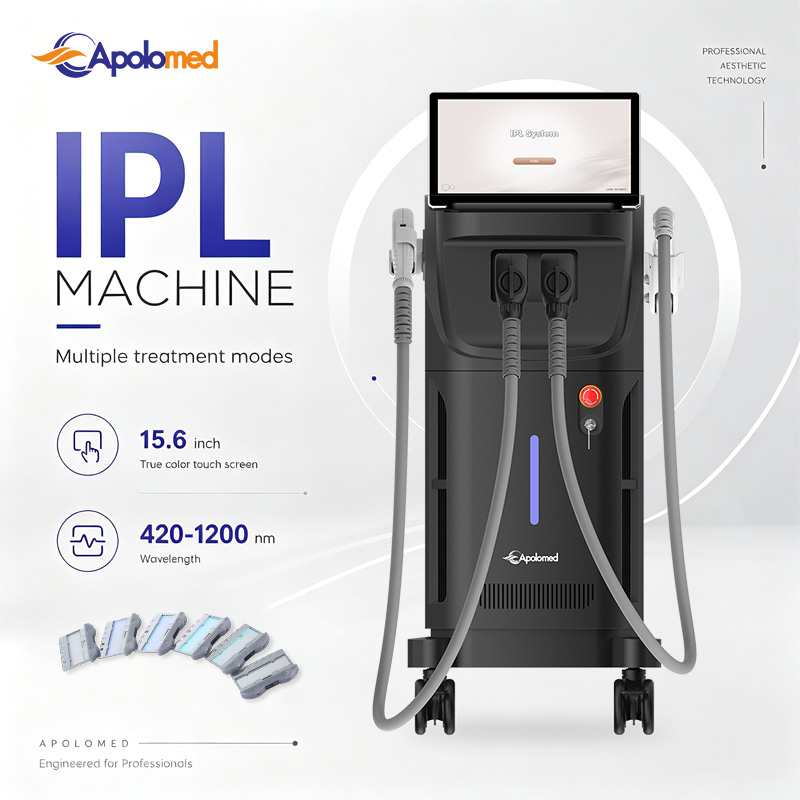
How IPL Works to Remove Freckles: Science, Treatment Process, and Safety
How IPL Targets Freckles Through Selective Photothermolysis
Intense Pulsed Light (IPL) is a non-invasive light-based treatment commonly used to improve the appearance of freckles and other forms of superficial pigmentation. Unlike conventional lasers, which generally emit light at a specific wavelength, IPL systems deliver a broad spectrum of light. Different cutoff filters can be used to select wavelength ranges suitable for particular skin concerns.
Freckles contain concentrated melanin, the natural pigment responsible for skin color. When IPL light reaches the skin, melanin absorbs part of the delivered energy and converts it into heat. This selective heating can damage pigment-containing structures and encourage the body's natural processes to gradually remove or disperse the affected pigment.
IPL does not literally break down every pigment particle or exclusively target melanin. Other skin structures, including hemoglobin, can also absorb light depending on the selected wavelength and treatment settings. The goal is to achieve an appropriate therapeutic effect while limiting unnecessary heating of surrounding tissue.
After treatment, freckles may temporarily become darker before developing a fine, crust-like appearance. The treated pigment gradually fades as the skin recovers. The degree of visible improvement depends on the type of pigmentation, skin phototype, device characteristics, and individual response.
Why Freckles Can Respond Well to IPL
Freckles, medically known as ephelides, are small areas of increased pigmentation that commonly appear on sun-exposed skin. They are influenced by genetic factors and ultraviolet exposure. Their color may become more noticeable after sun exposure and fade during periods of reduced UV exposure.
Because many freckles are relatively superficial and contain concentrated epidermal melanin, they can respond well to light-based pigment treatments. IPL may help reduce their visible contrast and create a more even-looking skin tone.
However, not all brown spots are freckles. Solar lentigines, commonly called age spots or sun spots, are another type of pigmented lesion that frequently appears on sun-exposed areas. They may also respond to IPL, but their clinical appearance and treatment response can differ from those of ephelides.
Melasma is a different condition. It often presents as larger, irregular patches of pigmentation and may involve multiple contributing factors, including hormonal influences, ultraviolet exposure, visible light, and skin inflammation. Because melasma can recur or worsen after certain energy-based treatments, IPL should not be considered interchangeable with freckle treatment.
Accurate diagnosis is important before any pigment treatment. Moles, changing pigmented lesions, or spots with suspicious features should be assessed by a qualified medical professional rather than treated as ordinary freckles.
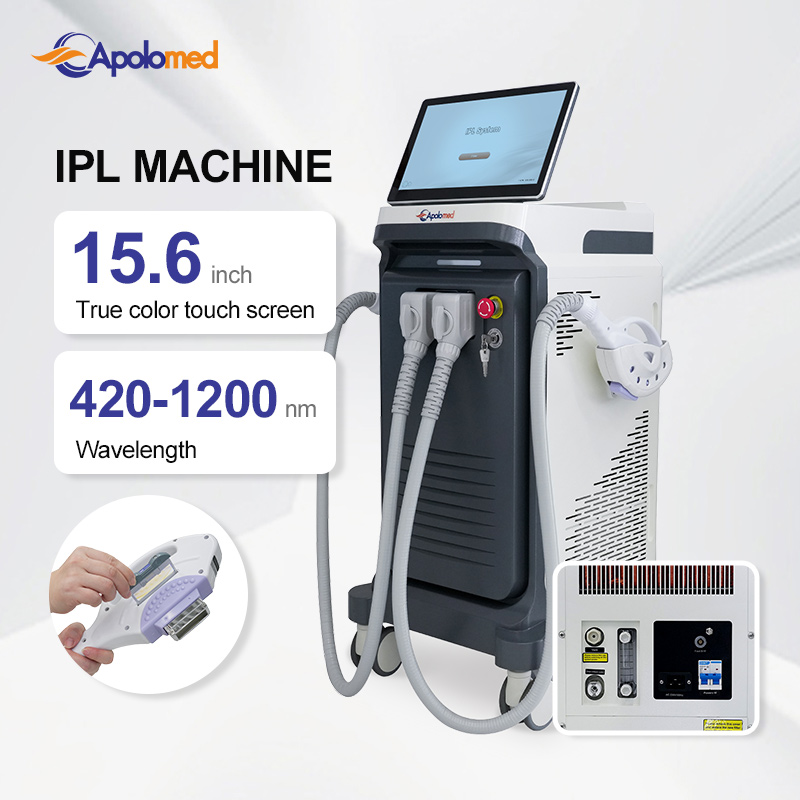
What to Expect During an IPL Freckle Treatment Session
An IPL freckle treatment generally begins with a skin assessment. The practitioner evaluates the pigmentation, skin phototype, recent sun exposure, medical history, and any factors that could increase the risk of adverse reactions.
The treatment area is then cleansed, and appropriate eye protection is provided. A cooling method or coupling gel may be used depending on the IPL system. The handpiece delivers controlled pulses of light to the selected skin area.
Patients may experience brief warmth, tingling, or a snapping sensation during treatment. The exact sensation varies with the device, treatment area, and individual sensitivity.
After the session, temporary redness, mild swelling, and darkening of the treated freckles may occur. Some pigmented spots develop small, dry crusts that gradually shed during the following days. Patients should avoid picking or scratching these areas because doing so may increase the risk of irritation, infection, or post-inflammatory pigmentation.
How Many IPL Sessions Are Needed?
There is no universal number of IPL sessions required to improve freckles. Some patients notice visible changes after one treatment, while others need several sessions to achieve their desired result.
The treatment plan depends on several factors:
-
The number, size, and appearance of the freckles
-
The patient's skin phototype and background pigmentation
-
The wavelength range and filters available on the IPL device
-
The selected fluence, pulse duration, and treatment technique
-
The skin's response to previous sessions
Some clinical studies have evaluated IPL treatment courses involving three to five sessions, but these protocols should not be interpreted as a fixed requirement for every patient. Treatment intervals should allow sufficient time for the skin to recover and for the practitioner to assess the response before deciding whether another session is appropriate.
Rather than automatically increasing energy or scheduling additional sessions, practitioners should review the treatment outcome and adjust the plan according to skin tolerance and clinical findings.
Factors That Influence IPL Freckle Treatment Results
Skin Phototype and Pigment Contrast
Skin phototype is an important consideration when selecting IPL treatment settings. Patients with lighter skin and clearly defined superficial freckles may have a more favorable contrast between the target pigment and surrounding skin.
In darker skin phototypes, the epidermis contains more melanin that can absorb IPL energy. This reduces the margin between treating the target pigmentation and overheating surrounding skin. As a result, the risk of burns, post-inflammatory hyperpigmentation, and other pigment changes may be higher.
This does not mean that every patient with darker skin is automatically unsuitable for IPL. It means that treatment requires careful assessment, appropriate equipment, conservative parameter selection where indicated, and a practitioner experienced in treating different skin phototypes.
Sun Exposure and Skin Preparation
Recent tanning and sunburn can increase epidermal melanin and make IPL treatment less predictable. Additional pigment in the surrounding skin may absorb more light, increasing the risk of unwanted thermal injury.
Patients should avoid intentional tanning and follow their practitioner's pre-treatment instructions. Treatment may need to be postponed if the skin is recently sunburned, irritated, or noticeably tanned.
Consistent sun protection is also important between sessions. Broad-spectrum sunscreen, protective clothing, and limiting excessive direct sun exposure can help reduce new pigmentation and support more stable results.
IPL Wavelength Filters and Treatment Parameters
The performance of an IPL treatment depends partly on the device's optical characteristics. Different cutoff filters transmit different wavelength ranges, influencing how light interacts with melanin and other chromophores in the skin.
Pulse duration, fluence, pulse sequence, spot size, and cooling also affect treatment response. These settings should be selected according to the patient's skin characteristics, pigmentation type, treatment area, and the manufacturer's operating guidance.
There is no single wavelength filter or energy setting that is appropriate for every freckle treatment. A well-designed treatment plan balances pigment response with epidermal protection rather than simply using higher energy to achieve faster results.
Realistic Results, Recovery, and Long-Term Maintenance
Following IPL treatment, freckles may initially appear darker or more noticeable. Mild redness and swelling can also occur. In some cases, treated pigmented areas develop fine crusts that gradually disappear as the skin heals.
Visible lightening usually develops over time rather than immediately after the treatment. The timing and degree of improvement vary between individuals, and some pigmentation may remain after a treatment course.
IPL can reduce the appearance of existing freckles, but it does not remove the genetic tendency to develop them. New freckles may appear, and previously treated areas can become darker again after ultraviolet exposure.
Long-term photoprotection is therefore an essential part of maintaining results. Patients should use broad-spectrum sunscreen with SPF 30 or higher, reapply it as directed, wear protective clothing, and limit unnecessary exposure to intense sunlight.
Maintenance treatment is not automatically required at a fixed interval. Whether another IPL session is appropriate depends on the return of pigmentation, skin condition, and professional assessment.
FAQ
What is the science behind IPL freckle removal?
IPL uses selective photothermolysis to deliver controlled light energy to melanin in pigmented areas. The absorbed energy produces heat, helping damage pigment-containing structures so that the treated pigmentation can gradually become less visible.
How many IPL sessions are needed to remove freckles?
The number of sessions varies according to freckle characteristics, skin phototype, device settings, and individual response. Some patients notice improvement after one session, while others may benefit from a series of treatments. A qualified practitioner should determine the treatment schedule after evaluating the skin.
Is IPL safe for all skin types?
IPL can be used for different skin concerns, but it is not equally suitable for every skin phototype. Darker skin and recently tanned skin may have a higher risk of burns and post-inflammatory pigmentation. Proper assessment and individualized settings are essential.
Can IPL treat age spots and melasma as well as freckles?
IPL may improve certain solar lentigines and other superficial pigmentation. Melasma is more complex and may worsen or recur after light-based treatment in some patients. The correct diagnosis is important before selecting a treatment approach.
Does IPL permanently remove freckles?
IPL can significantly reduce the appearance of existing freckles, but it cannot permanently prevent new ones from developing. Genetic susceptibility and ultraviolet exposure continue to influence pigmentation, making ongoing sun protection important.
What should patients avoid after IPL freckle treatment?
Patients should avoid picking or scratching treated areas, excessive sun exposure, tanning beds, and irritating skincare products until the skin has recovered. They should follow the treating practitioner's aftercare instructions and use broad-spectrum sunscreen consistently.
Table of Contents
- How IPL Works to Remove Freckles: Science, Treatment Process, and Safety
- How IPL Targets Freckles Through Selective Photothermolysis
- Why Freckles Can Respond Well to IPL
- What to Expect During an IPL Freckle Treatment Session
- Factors That Influence IPL Freckle Treatment Results
- Realistic Results, Recovery, and Long-Term Maintenance
- FAQ