 EN

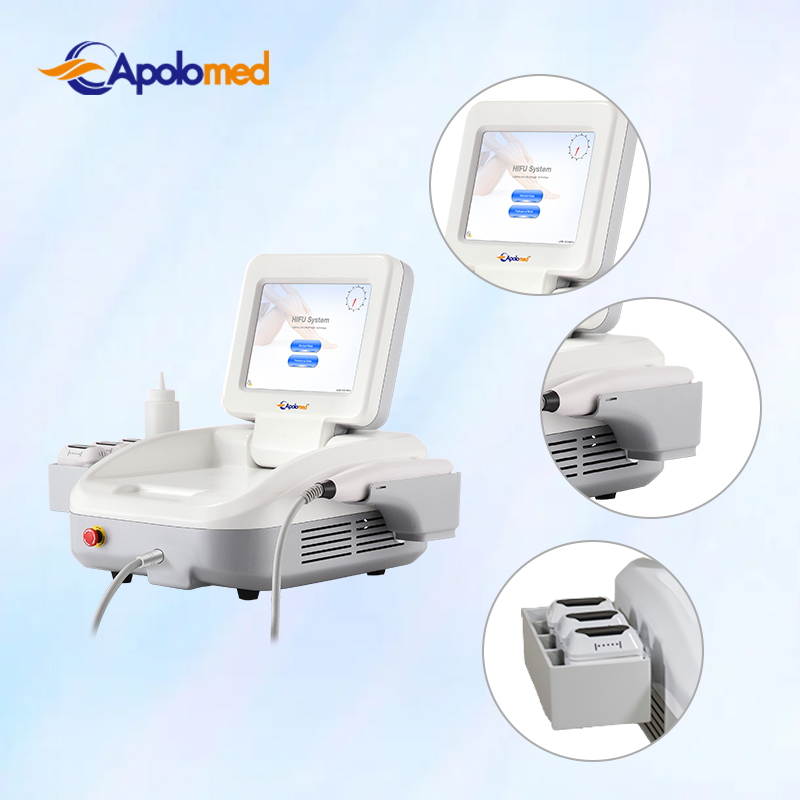
How HIFU Works on Aging Facial Skin: Mechanism, Target Layers, and Safety Principles
High-intensity focused ultrasound (HIFU) has become a widely adopted non-invasive aesthetic technology for facial lifting and skin tightening. Unlike lasers and radiofrequency devices that primarily heat superficial or mid-dermal tissues, HIFU uses focused ultrasound energy to create controlled thermal coagulation points at specific depths beneath the skin.
By precisely targeting the dermis and superficial musculoaponeurotic system (SMAS), HIFU stimulates the body's natural collagen remodeling process while preserving the epidermal surface. Understanding how HIFU technology works helps aesthetic professionals select suitable treatment parameters and maximize both safety and clinical outcomes.
How HIFU Delivers Targeted Energy Without Damaging the Skin Surface
Precise Thermal Coagulation in the Dermis and SMAS Layer
The primary advantage of HIFU technology is its ability to deliver focused ultrasound energy beneath the skin surface without creating significant damage to the epidermis.
During treatment, ultrasound waves are concentrated at predetermined depths, commonly including:
- 1.5 mm for superficial dermal layers
- 3.0 mm for deeper dermis
- 4.5 mm for SMAS-level tightening
At the focal point, ultrasound energy converts into controlled thermal effects, producing microscopic thermal coagulation zones (TCZs). These controlled injuries stimulate fibroblast activity, encouraging collagen contraction and gradual collagen regeneration.
Because energy concentration occurs only at the selected focal depth, the surface skin remains largely unaffected. This differs from ablative laser technologies, which rely on controlled surface tissue removal to trigger regeneration.
For mature skin with reduced elasticity, this targeted approach provides a balance between visible tightening effects and minimal downtime.
The Importance of Ultrasound Imaging and Energy Control in Treatment Safety
Advanced HIFU systems increasingly incorporate real-time ultrasound imaging technology to improve treatment precision.
Ultrasound imaging allows practitioners to visualize:
- Skin thickness
- Subcutaneous tissue structure
- Treatment depth positioning
- Energy delivery location
This helps ensure that ultrasound energy reaches the intended tissue layer rather than unnecessary areas.
Accurate energy calibration is equally important. Excessive energy density may increase discomfort or cause unwanted thermal effects, while insufficient energy may reduce treatment effectiveness. Professional HIFU devices therefore require precise control of:
- Energy output
- Pulse duration
- Treatment depth
- Shot spacing
Consistent calibration and regular device maintenance help maintain stable acoustic output, ensuring reliable treatment performance across different patient profiles.
HIFU Safety Performance for Aging and Sensitive Skin
Clinical Considerations for Mature Skin and Different Skin Types
Aging skin presents several unique characteristics, including reduced collagen production, decreased elasticity, thinner dermal structure, and slower recovery capacity.
However, these changes do not automatically make HIFU unsuitable. In fact, HIFU is often selected for mature patients because it works through deep tissue stimulation rather than aggressive surface resurfacing.
Common short-term reactions after HIFU treatment may include:
- Mild redness
- Temporary swelling
- Tingling or sensitivity
- Mild tenderness around treated areas
These effects are generally temporary and usually improve within several hours to several days depending on treatment intensity and individual skin response.
For patients with darker skin tones, treatment parameters should be carefully adjusted. Although HIFU does not primarily target melanin like laser systems, excessive thermal exposure or improper treatment settings may still increase the possibility of inflammatory pigmentation changes.
Proper patient evaluation and customized energy selection remain essential for maintaining safety.
How Aging Skin Characteristics Influence HIFU Treatment Response
Collagen Remodeling and Gradual Skin Tightening Effects
The aging process is closely associated with decreased collagen synthesis and structural weakening of the dermal matrix. HIFU addresses this process by creating controlled thermal stimulation that activates the skin's natural repair response.
After treatment:
- Existing collagen fibers contract due to thermal effects.
- Fibroblast activity increases.
- New collagen formation gradually improves skin firmness.
Unlike surgical lifting procedures, HIFU does not physically reposition facial tissues. Instead, it supports gradual tightening through collagen remodeling.
Because collagen regeneration is a biological process, visible improvement usually develops progressively over several weeks to months after treatment.
This makes HIFU particularly suitable for patients seeking:
- Mild to moderate skin laxity improvement
- Non-invasive facial contour enhancement
- Minimal recovery time
Common HIFU Side Effects and How Professional Devices Reduce Risks
Managing Redness, Swelling, and Temporary Sensitivity
Most HIFU-related reactions are mild and associated with the body's response to controlled thermal stimulation.
Temporary effects may include:
Redness
Mild erythema can occur immediately after treatment due to increased local circulation. It usually decreases naturally as the skin returns to normal.
Swelling
Some patients experience slight edema, especially in areas with thinner skin. Proper energy settings and treatment techniques help minimize unnecessary inflammation.
Sensory Changes
Temporary numbness, tingling, or tenderness may occur because ultrasound energy is delivered near deeper facial structures. These sensations typically improve over time.
To reduce risks, professional HIFU systems should provide:
- Accurate depth selection
- Stable energy output
- Reliable cartridge performance
- Controlled treatment intervals
Operator training is equally important because treatment results depend not only on device capability but also on correct parameter selection.
Preventing Excessive Thermal Exposure Through Proper Treatment Protocols
Most HIFU complications are associated with inappropriate treatment approaches, such as:
- Excessive energy levels
- Incorrect treatment depth
- Overlapping shots in the same area
- Treating unsuitable skin conditions
A standardized treatment protocol should include:
- Patient skin assessment before treatment
- Selection of appropriate cartridge depth
- Adjustment of energy according to treatment area
- Controlled shot distribution
- Proper post-treatment guidance
For sensitive or aging skin, conservative energy settings combined with precise treatment planning can improve comfort while maintaining effective collagen stimulation.
Patient Selection: Who Is Suitable for HIFU Treatment?
Evaluating Skin Condition Before HIFU Procedures
HIFU is generally considered suitable for patients experiencing:
- Mild to moderate facial sagging
- Reduced skin firmness
- Early signs of aging
- Loss of facial contour definition
However, treatment suitability depends on individual conditions.
Practitioners should carefully evaluate patients with:
- Active skin inflammation
- Open wounds or infections
- Severe skin barrier damage
- Recent aggressive aesthetic procedures
Patients with significant skin laxity or advanced tissue descent may require alternative or combined approaches because HIFU cannot replace surgical lifting procedures.
A professional consultation helps establish realistic expectations and improves treatment satisfaction.
FAQ
What is HIFU and how does it work?
HIFU (High-Intensity Focused Ultrasound) uses concentrated ultrasound energy to create controlled thermal stimulation in deeper skin layers, including the dermis and SMAS area. This process encourages collagen remodeling and gradual skin tightening.
Is HIFU safe for aging skin?
Yes. HIFU is commonly used for mature skin because it stimulates deeper tissues while leaving the epidermis largely unaffected. Proper parameter selection is important for safe and comfortable treatment.
How long does it take to see HIFU results?
Initial tightening may appear shortly after treatment, but collagen remodeling continues gradually. Most improvements become more noticeable over several weeks to months.
What are common side effects after HIFU treatment?
Temporary redness, swelling, sensitivity, or mild tenderness may occur after treatment. These effects usually resolve naturally with proper aftercare.
Who should avoid HIFU treatment?
People with active skin infections, severe inflammation, open wounds, or unsuitable medical conditions should postpone treatment until the skin condition improves.
Why is HIFU popular in aesthetic clinics?
HIFU provides a non-invasive approach to facial tightening with minimal downtime. Its ability to target different tissue depths makes it a flexible solution for skin rejuvenation treatments.
Table of Contents
- How HIFU Works on Aging Facial Skin: Mechanism, Target Layers, and Safety Principles
- How HIFU Delivers Targeted Energy Without Damaging the Skin Surface
- HIFU Safety Performance for Aging and Sensitive Skin
- Clinical Considerations for Mature Skin and Different Skin Types
- How Aging Skin Characteristics Influence HIFU Treatment Response
- Common HIFU Side Effects and How Professional Devices Reduce Risks
- Managing Redness, Swelling, and Temporary Sensitivity
- Preventing Excessive Thermal Exposure Through Proper Treatment Protocols
- Patient Selection: Who Is Suitable for HIFU Treatment?
- Evaluating Skin Condition Before HIFU Procedures
- FAQ