 EN

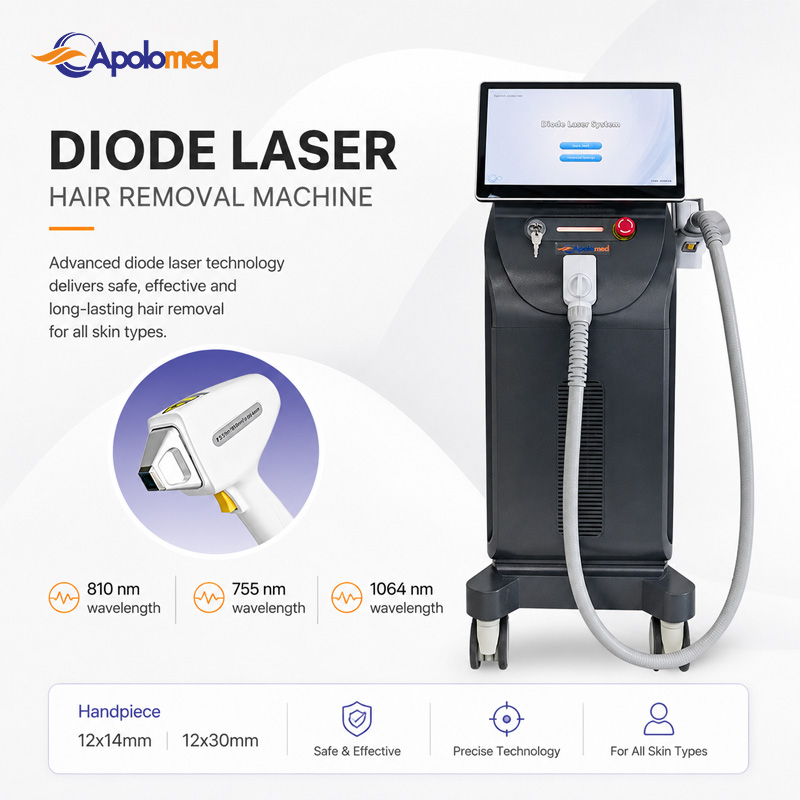
How Laser Hair Removal Works: The Science Behind Long-Term Hair Reduction
Laser hair removal has become one of the most widely used aesthetic laser procedures because it provides long-term hair reduction through controlled light-based energy delivery. Unlike traditional hair removal methods that only remove visible hair above the skin surface, laser technology targets the hair follicle itself by converting optical energy into controlled thermal energy.
Modern systems, including diode lasers, alexandrite lasers, and Nd:YAG lasers, use specific wavelengths to selectively interact with melanin inside hair follicles while protecting surrounding skin. Understanding the science behind selective photothermolysis, treatment cycles, and device selection helps clinics achieve safer and more predictable outcomes.
Selective Photothermolysis: How Laser Energy Targets Hair Follicles
Melanin Absorption and Controlled Thermal Damage
Laser hair removal is based on the principle of selective photothermolysis, where a specific wavelength of light is absorbed by a target chromophore while minimizing damage to surrounding tissue.
In hair removal treatments, melanin inside the hair shaft and follicular structures acts as the primary target. Common laser wavelengths include:
- 755 nm Alexandrite laser
- 810 nm Diode laser
- 1064 nm Nd:YAG laser
When laser energy reaches the hair follicle, melanin absorbs the light and converts it into heat. This controlled thermal effect damages follicular structures involved in hair production, reducing the ability of treated follicles to generate new terminal hair.
The effectiveness of treatment depends on several factors, including:
- Hair color and thickness
- Skin type
- Selected wavelength
- Pulse duration
- Energy density
- Cooling performance
Because darker hair contains more melanin, it generally absorbs laser energy more effectively than light-colored hair.
Choosing the Right Wavelength for Different Skin Types
Different wavelengths provide different levels of penetration and melanin selectivity.
Alexandrite lasers (755 nm) have strong melanin absorption and are commonly used for lighter skin types with dark hair. Diode lasers around 810 nm provide a balance between penetration depth and melanin targeting, making them widely used for various aesthetic applications.
Nd:YAG lasers at 1064 nm penetrate deeper and have lower absorption by epidermal melanin, making them a preferred option for treating darker skin types when appropriate parameters are selected.
For professional clinics, wavelength selection is not simply about power output. It requires matching the laser system to patient characteristics to maximize effectiveness while maintaining safety.
Why Multiple Laser Hair Removal Sessions Are Necessary
The Role of the Hair Growth Cycle
Hair grows through several biological stages:
- Anagen (active growth phase)
- Catagen (transition phase)
- Telogen (resting phase)
Laser hair removal works most effectively during the anagen phase because the hair shaft contains higher melanin concentration and remains connected to follicular structures targeted by the laser.
However, hair follicles do not enter the growth cycle at the same time. Only a portion of follicles are in the optimal treatment phase during any single session.
This is why professional laser hair removal programs typically require multiple treatments spaced several weeks apart. Repeated sessions allow clinicians to target additional follicles as they enter the active growth stage.
Treatment schedules vary depending on:
- Treatment area
- Hair density
- Individual growth cycle
- Hormonal factors
- Device parameters
Following recommended intervals is essential because treatments performed too frequently may target fewer responsive follicles.
Permanent Hair Reduction vs. Permanent Hair Removal
Understanding the Difference in Medical Terminology
A common misconception is that laser hair removal completely eliminates all future hair growth. In professional terminology, laser devices are generally described as providing permanent hair reduction, not permanent hair removal.
The term “permanent hair reduction” refers to a long-term decrease in the number of terminal hairs that regrow after completing an appropriate treatment course.
Some follicles may remain inactive during treatment and later become active due to:
- Hormonal changes
- Aging
- Individual biological factors
As a result, maintenance treatments may occasionally be recommended, particularly for hormonally sensitive areas such as the face.
Laser hair removal should therefore be understood as a technology that provides significant and long-lasting reduction rather than guaranteed complete elimination.
Factors Affecting Long-Term Treatment Results
Successful outcomes depend on both technology and patient characteristics.
Important factors include:
Hair characteristics
Dark, coarse hair usually responds better because higher melanin content allows stronger laser absorption.
Skin type
Patients with higher melanin levels require careful wavelength and parameter selection to minimize epidermal heating.
Treatment area
Areas with thicker terminal hair, such as underarms and legs, often respond differently from areas with finer facial hair.
Device technology
Professional systems with stable energy output, accurate pulse control, and effective cooling technology help improve treatment consistency.
How Clinics Can Select the Right Laser Hair Removal System
Key Features of Professional Hair Removal Equipment
For aesthetic clinics and distributors evaluating laser hair removal equipment, several technical factors should be considered:
Wavelength options
A suitable wavelength configuration allows treatment customization for different skin types and hair characteristics.
Cooling technology
Advanced cooling systems improve patient comfort and help protect the epidermis during treatment.
Energy stability
Consistent pulse delivery ensures predictable clinical performance.
Adjustable parameters
Flexible settings allow practitioners to customize treatments according to individual patient needs.
Regulatory compliance and support
Clinics should evaluate certifications, manufacturer experience, training support, and after-sales service when selecting equipment.
A professional laser hair removal platform should combine effective energy delivery with safety-focused engineering to support reliable daily clinical applications.
FAQ
How does laser hair removal work?
Laser hair removal works by delivering specific wavelengths of light that are absorbed by melanin in hair follicles. The absorbed energy converts into heat, creating controlled damage to follicular structures responsible for hair growth.
Why are multiple laser hair removal treatments required?
Multiple treatments are necessary because hair follicles grow in different cycles. Laser energy is most effective when follicles are in the active growth phase.
Is laser hair removal permanent?
Laser hair removal provides permanent hair reduction rather than complete permanent removal. Some regrowth may occur due to biological and hormonal factors.
Which laser wavelength is best for hair removal?
The suitable wavelength depends on skin type, hair characteristics, and treatment goals. Common options include 755 nm Alexandrite, 810 nm Diode, and 1064 nm Nd:YAG lasers.
Can laser hair removal treat darker skin types?
Yes. Modern laser systems, particularly longer-wavelength Nd:YAG technology, can be used for darker skin types when appropriate parameters and cooling systems are applied.
What should clinics consider when purchasing a laser hair removal machine?
Clinics should evaluate wavelength options, cooling performance, energy stability, treatment flexibility, certifications, training support, and manufacturer reliability.
Table of Contents
- How Laser Hair Removal Works: The Science Behind Long-Term Hair Reduction
- Selective Photothermolysis: How Laser Energy Targets Hair Follicles
- Why Multiple Laser Hair Removal Sessions Are Necessary
- Permanent Hair Reduction vs. Permanent Hair Removal
- How Clinics Can Select the Right Laser Hair Removal System
- FAQ