 EN
EN

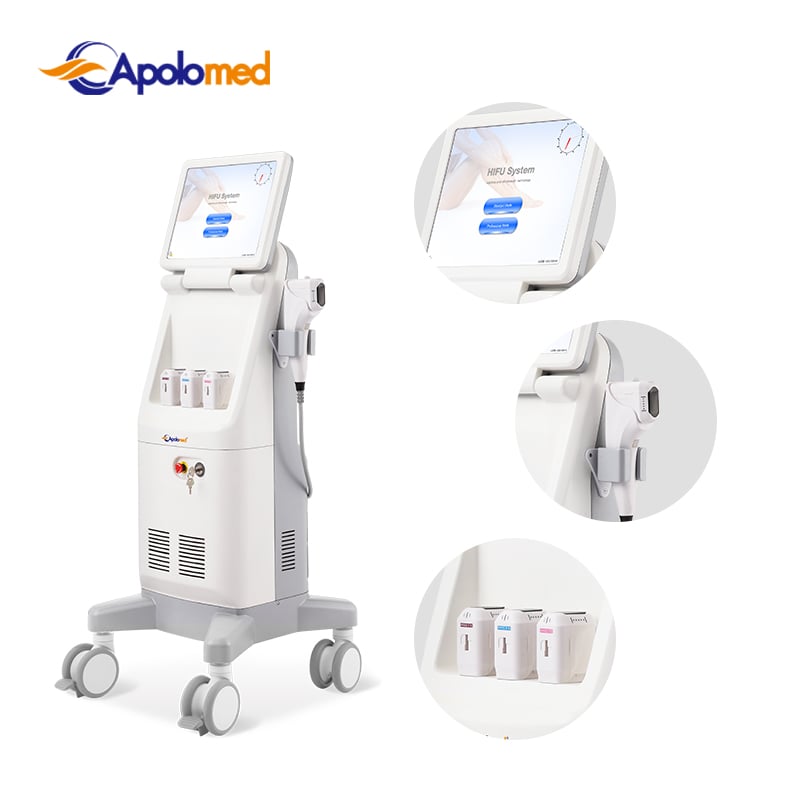
Blog Abstract: High-Intensity Focused Ultrasound (HIFU) has become a primary non-invasive modality for targeted skin tightening and structural wrinkle reduction. By delivering thermal energy to precise dermal and sub-dermal depths, HIFU stimulates natural neocollagenesis. This article explores the physiological mechanism of HIFU, outlines the typical session count required for noticeable clinical outcomes, and discusses factors that influence the longevity of treatment results.
The Biological Mechanism of HIFU
HIFU technology differs from superficial optical lasers and broad-spectrum radiofrequency devices by delivering focused acoustic energy to targeted sub-dermal layers without disrupting the epidermis.
-
Targeted Depths: Clinical facial protocols generally utilize frequencies designed to reach sub-dermal depths of 1.5mm, 3.0mm, and 4.5mm.
-
The SMAS Layer: The 4.5mm depth reaches the Superficial Musculoaponeurotic System (SMAS)—the structural layer addressed during traditional surgical facelifts.
-
Thermal Coagulation Points (TCPs): At the focal point, localized acoustic energy elevates tissue temperature to approximately 60°C–70°C. This brief thermal threshold induces micro-coagulation zones, triggering a physiological wound-healing response that stimulates fibroblast activity and progressive collagen synthesis over the following 2 to 6 months.
Typical Session Guidelines for Wrinkle Reduction
Clinical protocols vary depending on baseline skin laxity, age, and individual structural objectives. However, general recommendations for facial treatments fall into clear session categories:
Clinical Session Benchmarks
-
Mild Laxity & Fine Lines: 1 Session. Often provides visible structural support, with peak results manifesting at 8 to 12 weeks as new collagen matures.
-
Moderate Wrinkles & Soft Tissue Laxity: 2 to 3 Sessions. Spaced approximately 6 to 8 weeks apart to allow tissue remodeling before secondary energy delivery.
-
Maintenance Protocol: 1 Touch-Up Session every 12 to 18 months to sustain collagen density and counteract ongoing intrinsic aging.
Factors Influencing Treatment Outcomes and Timelines
The total number of sessions required to achieve lasting wrinkle reduction is dictated by several physiological and technical variables:
1. Degree of Baseline Skin Laxity
Deeper folds (such as advanced nasolabial folds or severe jowl sagging) require higher total thermal energy delivery across multiple focal depths to achieve a visible lifting effect compared to superficial periorbital lines.
2. Patient Age and Metabolic Response
Younger patients typically exhibit more responsive fibroblast activity, leading to faster collagen synthesis from fewer sessions. Mature skin with reduced baseline collagen density may require multiple treatment cycles to achieve comparable structural firming.
3. Multi-Depth Energy Customization
Advanced HIFU platforms offer interchangeable cartridges to target specific anatomical depths:
-
1.5mm Cartridge: Focuses on superficial dermal fine lines and overall skin texture.
-
3.0mm Cartridge: Targets deep dermal collagen structures.
-
4.5mm Cartridge: Focuses energy on the deeper SMAS support layer.
Maximizing and Maintaining Results
While HIFU initiates sub-dermal collagen remodeling, longevity depends significantly on post-procedure tissue care and lifestyle habits:
-
Sun Protection: Daily broad-spectrum UV protection prevents accelerated degradation of newly formed collagen fibers.
-
Topical Support: Integrating supportive ingredients (such as topical retinoids and antioxidants) helps maintain dermal matrix health.
-
Follow-Up Maintenance: Periodically scheduling single annual touch-up treatments helps maintain baseline dermal thickness and extends structural tightening over several years.
Conclusion
For non-surgical skin tightening and wrinkle reduction, most individuals achieve optimal outcomes within 1 to 3 HIFU sessions spaced 6 to 8 weeks apart. Results develop progressively over several months as neocollagenesis matures, delivering firmed contours that typically last between 12 to 18 months. By selecting appropriate focal depths and maintaining diligent daily skincare, HIFU provides a reliable, minimally invasive strategy for long-term facial rejuvenation.