 EN
EN

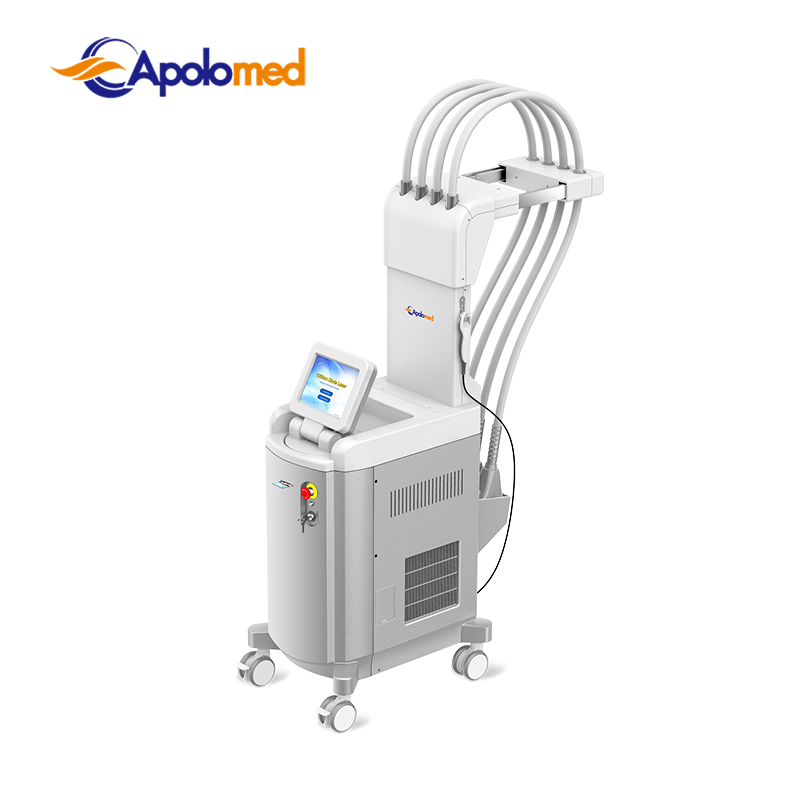
Blog Abstract: One of the most common questions regarding non-invasive body sculpting is whether fat will return to the treated area over time. The short answer is: no, body sculpting itself does not cause fat cells to regenerate or "rebound." However, long-term results depend significantly on post-treatment maintenance. This article breaks down the biological science behind fat cell destruction via 1060nm diode lasers, explains why remaining fat cells can expand if weight is gained, and outlines how to maintain lasting results.
The Science Behind Fat Cell Destruction vs. Shrinkage
Understanding the difference between shrinking fat cells and eliminating them is key to understanding body sculpting outcomes:
-
Weight Loss via Diet & Exercise: Shrinks the volume of existing fat cells. The cells remain in the body and can expand again if caloric intake increases.
-
Non-Invasive Laser Body Sculpting: Utilizes targeted hyperthermic energy (such as 1060nm diode laser systems) to raise adipose tissue temperatures, triggering apoptosis (programmed cell death).
Once apoptosis occurs, the broken-down fat cell membranes are naturally processed and cleared by the body's lymphatic system over a period of 8 to 12 weeks. Because these specific fat cells are permanently removed, they do not regenerate or come back to life.
Why Fat Can Still Appear to "Return"
If the destroyed fat cells are permanently eliminated, why do some individuals notice a loss of definition months after treatment?
-
Surviving Fat Cells: Non-invasive procedures typically reduce a percentage of fat cells in a given area (often around 20% to 25%), leaving remaining fat cells intact.
-
Cellular Expansion: If a patient experiences significant overall weight gain post-treatment, the surviving fat cells in the treated zone—and throughout the rest of the body—can expand up to thousands of times their baseline size.
-
Misconception of Rebound: This expansion of remaining cells can make the treated area appear as though fat has "returned," even though no new fat cells were created.
Maintaining a stable weight through consistent lifestyle habits is essential to preserving the contoured appearance achieved through treatment.
Key Advantages of 1060nm Diode Laser Technology
Different body contouring modalities interact with tissue in unique ways. Laser-based systems engineered with 1060nm wavelengths offer specific structural and operational characteristics:
-
Targeted Adipose Heating: The 1060nm wavelength penetrates into sub-dermal fat layers while integrated cooling mechanisms (such as sapphire contact plates) protect the surface skin.
-
No Paradoxical Hyperplasia: Unlike some cooling-based modalities that have been linked in rare instances to paradoxical adipose hyperplasia (tissue enlargement), 1060nm laser hyperthermia has not demonstrated this complication in clinical studies.
-
Uniform Energy Delivery: Multi-head applicators and standardized protocols allow for uniform thermal distribution across treatment zones without downtime.
Long-Term Outcomes: What Clinical Data Indicates
Clinical evaluations of non-invasive fat reduction show that procedures causing apoptosis offer long-lasting structural changes, provided the patient maintains a stable weight.
-
Permanent Removal: The reduction in the total number of fat cells in the targeted zone is permanent.
-
Lifestyle Dependency: Clinical follow-ups show that aesthetic results persist over multi-year periods when post-procedure weight remains stable.
-
Realistic Expectations: Body sculpting is designed for targeted contouring and stubborn spot reduction; it is not a treatment for systemic weight loss or a substitute for metabolic health practices.
Conclusion
Body sculpting via 1060nm diode laser technology does not cause fat rebound. The fat cells destroyed during the procedure are permanently removed by the body. However, because remaining fat cells can expand with weight gain, achieving and maintaining optimal results requires a commitment to a balanced diet and regular physical activity. When advanced technology is paired with consistent healthy habits, long-term body contouring goals can be successfully maintained.