 EN
EN

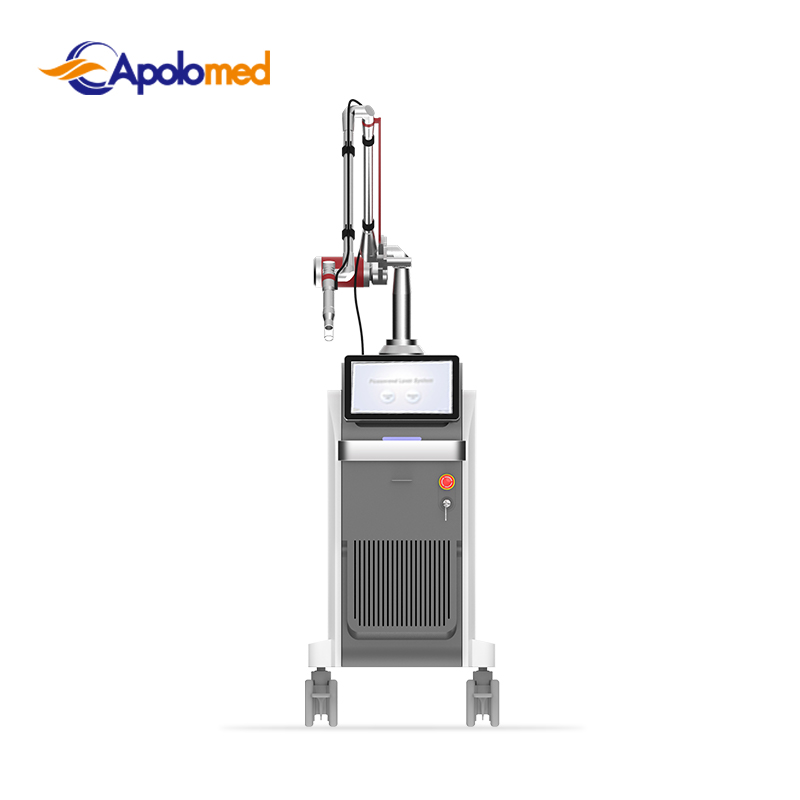
Blog Abstract: Chloasma—commonly known as melasma—is one of the most stubborn hyperpigmentation conditions in aesthetic dermatology. Because the pigment sits in both the epidermal and deep dermal layers, standard topical treatments often yield limited results. This article explores how picosecond Nd:YAG laser technology works to shatter stubborn pigment with minimal thermal damage, how many treatment sessions are typically required for noticeable clearance, and key factors that influence the overall recovery and maintenance timeline.
1. Understanding Why Melasma Is So Stubborn
Melasma differs significantly from standard solar lentigines (sunspots) or freckles. It involves hyperactive melanocytes located across both the epidermis and the dermis, often driven by a combination of key factors:
-
Hormonal Fluctuations: Pregnancy, oral contraceptives, or endocrine changes.
-
Ultraviolet and Visible Light Exposure: Sun exposure triggers melanin overproduction.
-
Genetic Predisposition: Highly prevalent among individuals with darker skin phototypes (e.g., Fitzpatrick types III through V).
The Risk of Traditional Nanosecond Lasers
Traditional Q-switched (nanosecond) lasers rely heavily on photothermal energy (heat) to break down pigment. However, excessive heat can cause collateral damage to surrounding tissue, frequently triggering Post-Inflammatory Hyperpigmentation (PIH) and high recurrence rates.
2. Why Picosecond Technology Changes the Game
Picosecond lasers operate with pulse durations in the trillionths of a second. This extremely brief pulse width delivers energy so rapidly that it creates a photomechanical shockwave ("photoshock") rather than relying on sustained heat.
Comparison of Mechanisms:
-
Conventional Laser: Relies on photothermal heat to break pigment down into pebble-sized particles. This generates higher heat and carries a higher risk of PIH.
-
Picosecond Laser: Uses photomechanical energy to shatter pigment into dust-like micro-particles. This minimizes thermal damage and lowers the risk of side effects.
Key Advantages of the 1064nm Wavelength:
-
Deep Dermal Penetration: The 1064nm wavelength penetrates deep into the dermis where stubborn, long-standing melasma pigment resides.
-
Epidermal Safety: It bypasses superficial melanin more safely than shorter wavelengths, reducing the risk of epidermal burns in darker skin types.
-
Low Heat Diffusion: Minimizing photothermal diffusion protects surrounding tissue and significantly lowers the likelihood of rebound pigmentation.
3. Recommended Session Counts and Clinical Benchmarks
While individual outcomes vary based on pigment depth and lifestyle factors, clinical literature and real-world aesthetic practice provide clear benchmarks for treatment protocols.
Clinical Session Guidelines:
-
Mild / Epidermal Cases: Typically require 2 to 3 sessions spaced 4 to 6 weeks apart. Expect visible lightening and a unified skin tone.
-
Moderate to Severe / Mixed Cases: Typically require 3 to 6 sessions spaced 4 to 6 weeks apart. Expect a significant reduction in MASI (Melasma Area and Severity Index) scores, often reaching 60% to 80% clearance.
-
Chronic / Deep Dermal Cases: Require 6 or more sessions spaced 4 to 6 weeks apart, followed by maintenance. Expect gradual lightening that requires ongoing sun protection and periodic touch-up sessions.
Clinical Reality Note: "Complete permanent elimination" is rarely guaranteed with melasma due to its underlying hormonal and environmental triggers. The primary clinical goal is achieving substantial clearance (70%+ improvement) followed by a long-term maintenance strategy.
4. Key Factors Influencing Your Treatment Timeline
Several critical variables dictate how rapidly pigment clears and how many total sessions a patient will require:
Depth and Location of Pigment
-
Epidermal Melasma: Responds fastest as the shattered pigment sheds through normal epidermal cell turnover.
-
Dermal / Mixed Melasma: Requires more time as broken pigment particles must be phagocytosed and cleared via the body's lymphatic system.
Energy Settings ("Laser Toning" Technique)
Treating melasma requires a gentle approach. Rather than applying high fluence (energy) in a single pass, experienced clinicians utilize low fluence with larger spot sizes and multiple passes. Flat-top beam profiles ensure uniform energy distribution without creating localized hot spots.
Strict Sun Protection
Active UV exposure can instantly reactivate melanocytes. Broad-spectrum SPF 50+ protection against UVA, UVB, and visible light is mandatory throughout and after the treatment cycle to prevent rebound hyperpigmentation.
5. Conclusion
For patients dealing with stubborn chloasma or melasma, picosecond laser technology offers a precise, photomechanical approach that breaks down deep pigment into micro-particles without causing excessive heat damage. Most patients require 3 to 6 sessions spaced 4 to 6 weeks apart to achieve significant clearance. By pairing appropriate low-fluence laser settings with diligent daily sun protection, patients can attain a noticeably clearer, more even complexion while maintaining long-term skin stability.
Tags: #Dermatology #MelasmaTreatment #PicosecondLaser #Hyperpigmentation #LaserToning #SkinRejuvenation #AestheticMedicine