 EN

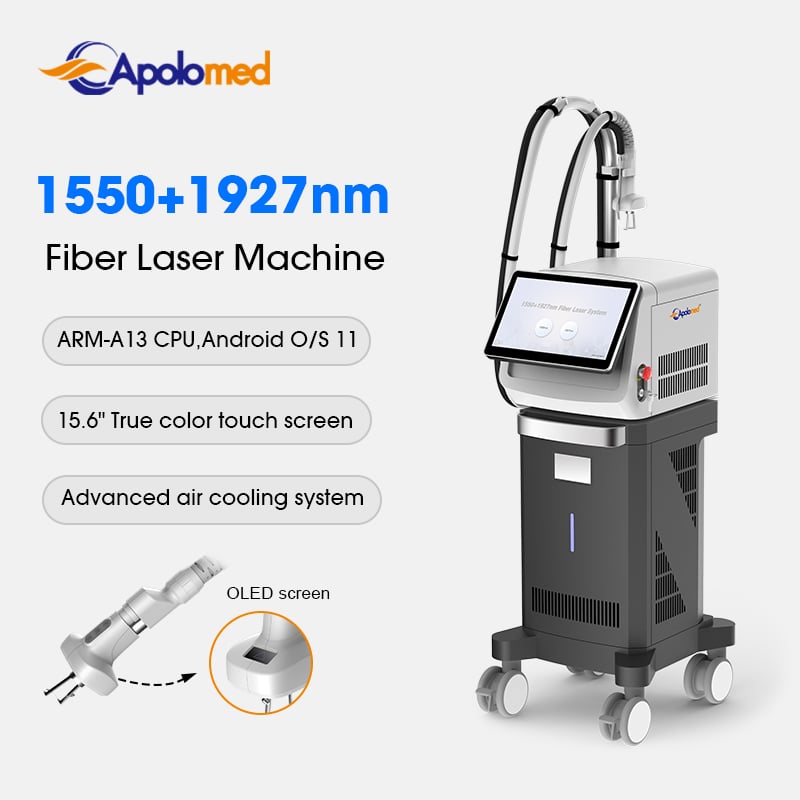
Thulium Laser Safety Fundamentals: Why 1927 nm Enables Precise and Controlled Skin Resurfacing
The 1927 nm thulium laser has become an important technology in modern fractional laser resurfacing because it provides a balance between effective epidermal targeting and controlled thermal delivery. By selectively interacting with water-containing tissue, fractional thulium laser systems can address concerns such as pigmentation, sun damage, and skin texture while maintaining a relatively controlled recovery profile.
Compared with traditional ablative lasers, 1927 nm thulium lasers are designed to create precise microscopic treatment zones while preserving surrounding tissue. This fractional approach supports faster healing and allows clinicians to customize treatment parameters according to different skin conditions, treatment goals, and patient characteristics.
Water Absorption Characteristics: Why 1927 nm Provides Controlled Epidermal Treatment
Selective Water Interaction for Superficial Skin Resurfacing
The safety profile of a 1927 nm thulium laser is closely related to its interaction with water, the primary chromophore in human skin. Because water absorbs 1927 nm energy efficiently, the laser can target superficial skin layers where pigmentation irregularities and photo-damaged cells are commonly located.
Compared with Er:YAG lasers operating at 2940 nm and CO₂ lasers operating at 10,600 nm, 1927 nm thulium lasers provide a different balance between absorption and penetration. Er:YAG and CO₂ systems have stronger water absorption and are commonly used for deeper ablative resurfacing, while thulium technology allows controlled fractional treatment with reduced thermal impact on surrounding tissue.
This controlled energy distribution helps clinicians achieve targeted resurfacing while minimizing unnecessary damage to adjacent skin structures. The treatment depth depends on multiple factors, including fluence, pulse duration, treatment density, and device configuration, allowing practitioners to adjust procedures based on individual patient requirements.
Fractional Delivery Design for Reduced Downtime
Modern fractional thulium laser systems divide laser energy into microscopic treatment columns rather than treating the entire surface area uniformly. These microscopic zones stimulate controlled skin remodeling while leaving untreated areas between treatment columns.
The preserved tissue surrounding each treatment zone supports faster epidermal recovery and helps reduce downtime compared with fully ablative procedures. This makes fractional 1927 nm thulium lasers suitable for patients seeking effective skin rejuvenation with a more manageable recovery period.
For aesthetic clinics, this balance between performance and patient comfort is one of the key advantages when selecting a professional laser resurfacing platform.
Clinical Safety Considerations for Fractional Thulium Laser Treatments
Common Temporary Responses After Treatment
Like other energy-based skin treatments, fractional thulium laser procedures naturally produce temporary skin responses as part of the healing process. Common short-term effects include:
- Mild redness (erythema)
- Slight swelling (edema)
- Temporary skin sensitivity
- Fine micro-crusting or flaking
These reactions typically occur because the laser creates controlled microscopic thermal zones that trigger natural skin repair mechanisms.
Most patients experience gradual improvement within several days, although recovery time depends on treatment intensity, skin condition, and individual healing characteristics. Proper post-treatment care, including gentle cleansing, moisturizer application, and daily broad-spectrum sunscreen use, is essential for maintaining skin barrier recovery.
Clinicians should also advise patients to avoid aggressive skincare products, exfoliation, and excessive sun exposure during the recovery period.
Managing Pigmentation Risks in Different Skin Types
Post-inflammatory hyperpigmentation (PIH) is one of the most important safety considerations when performing fractional laser resurfacing, particularly for patients with higher Fitzpatrick skin types.
Darker skin contains higher melanin levels, which can increase sensitivity to thermal stimulation. If excessive energy density or aggressive treatment parameters are used, inflammation may trigger increased melanin production after treatment.
To improve safety outcomes, experienced practitioners typically consider:
- Patient skin type evaluation before treatment
- Conservative fluence selection
- Appropriate treatment density adjustment
- Strict sun protection before and after procedures
- Customized treatment intervals
With proper parameter selection and patient management, fractional thulium laser technology can be adapted for a wide range of skin types while maintaining predictable treatment outcomes.
Operator-Dependent Safety: The Importance of Parameter Optimization
Fluence Selection and Treatment Density Control
Although the 1927 nm thulium laser offers precise energy delivery, treatment safety depends heavily on operator experience and parameter selection.
Fluence, pulse settings, treatment density, and the number of passes directly influence the amount of thermal energy delivered to the skin. Excessive energy levels or repeated passes over the same area may increase the risk of prolonged redness, delayed recovery, or pigmentary changes.
Professional clinics should establish treatment protocols based on:
- Skin type classification
- Treatment indication
- Previous laser history
- Desired clinical outcome
- Recovery expectations
Rather than relying on fixed settings, experienced operators evaluate real-time skin responses and adjust parameters accordingly.
Cooling Systems and Patient Comfort Management
Integrated cooling technology plays an important role in improving treatment comfort and protecting the skin surface during laser procedures.
Cooling systems help reduce excessive heat accumulation, improve patient tolerance, and provide additional safety during higher-energy treatments. Depending on the device design, clinics may use contact cooling, air cooling, or other temperature-control technologies to support consistent treatment delivery.
When combined with appropriate laser parameters, cooling technology helps create a more comfortable and controlled treatment experience.
Choosing a Professional 1927 nm Thulium Laser System for Clinical Applications
Key Performance Factors Clinics Should Evaluate
For clinics considering a fractional thulium laser investment, safety and treatment consistency should be primary evaluation factors.
Important considerations include:
Energy stability:
A reliable laser source should provide consistent pulse output to ensure predictable treatment results.
Adjustable treatment parameters:
Different patients and indications require different energy levels, densities, and pulse settings.
Fractional scanning technology:
Advanced scanning systems help distribute energy evenly and improve treatment accuracy.
Cooling capability:
Effective cooling improves patient comfort and supports safer clinical operation.
Service and technical support:
Long-term equipment reliability depends on manufacturer support, training, and maintenance availability.
A professional medical laser platform should combine optical performance, user-friendly operation, and comprehensive safety features to support daily clinical applications.
Training and Standardized Treatment Protocols Improve Outcomes
Technology alone does not determine treatment safety. Proper operator training is equally important.
Clinicians should understand:
- Laser-tissue interaction principles
- Parameter adjustment strategies
- Skin type considerations
- Contraindications and precautions
- Post-treatment management
Standardized treatment workflows help reduce operator variation and improve consistency across different practitioners and clinical environments.
FAQ
What makes a 1927 nm thulium laser different from CO₂ and Er:YAG lasers?
A 1927 nm thulium laser provides controlled superficial skin treatment by targeting water-containing tissue with fractional energy delivery. CO₂ and Er:YAG lasers typically provide stronger ablative effects and are often selected for deeper resurfacing applications.
What skin concerns can fractional thulium lasers address?
Fractional thulium lasers are commonly used for improving pigmentation irregularities, sun-damaged skin, uneven texture, and overall skin rejuvenation.
Are thulium lasers suitable for darker skin types?
Yes, but treatment parameters should be carefully customized. Patients with higher Fitzpatrick skin types may require more conservative settings and strict sun protection to reduce pigmentation risks.
What factors affect the safety of thulium laser treatments?
Safety depends on multiple factors, including laser parameters, operator experience, patient skin type, cooling technology, and proper post-treatment care.
How should clinics choose a professional thulium laser system?
Clinics should evaluate energy stability, treatment flexibility, cooling performance, scanning accuracy, certifications, technical support, and manufacturer experience before investing in a 1927 nm thulium laser platform.
Table of Contents
- Thulium Laser Safety Fundamentals: Why 1927 nm Enables Precise and Controlled Skin Resurfacing
- Water Absorption Characteristics: Why 1927 nm Provides Controlled Epidermal Treatment
- Clinical Safety Considerations for Fractional Thulium Laser Treatments
- Operator-Dependent Safety: The Importance of Parameter Optimization
- Choosing a Professional 1927 nm Thulium Laser System for Clinical Applications
-
FAQ
- What makes a 1927 nm thulium laser different from CO₂ and Er:YAG lasers?
- What skin concerns can fractional thulium lasers address?
- Are thulium lasers suitable for darker skin types?
- What factors affect the safety of thulium laser treatments?
- How should clinics choose a professional thulium laser system?